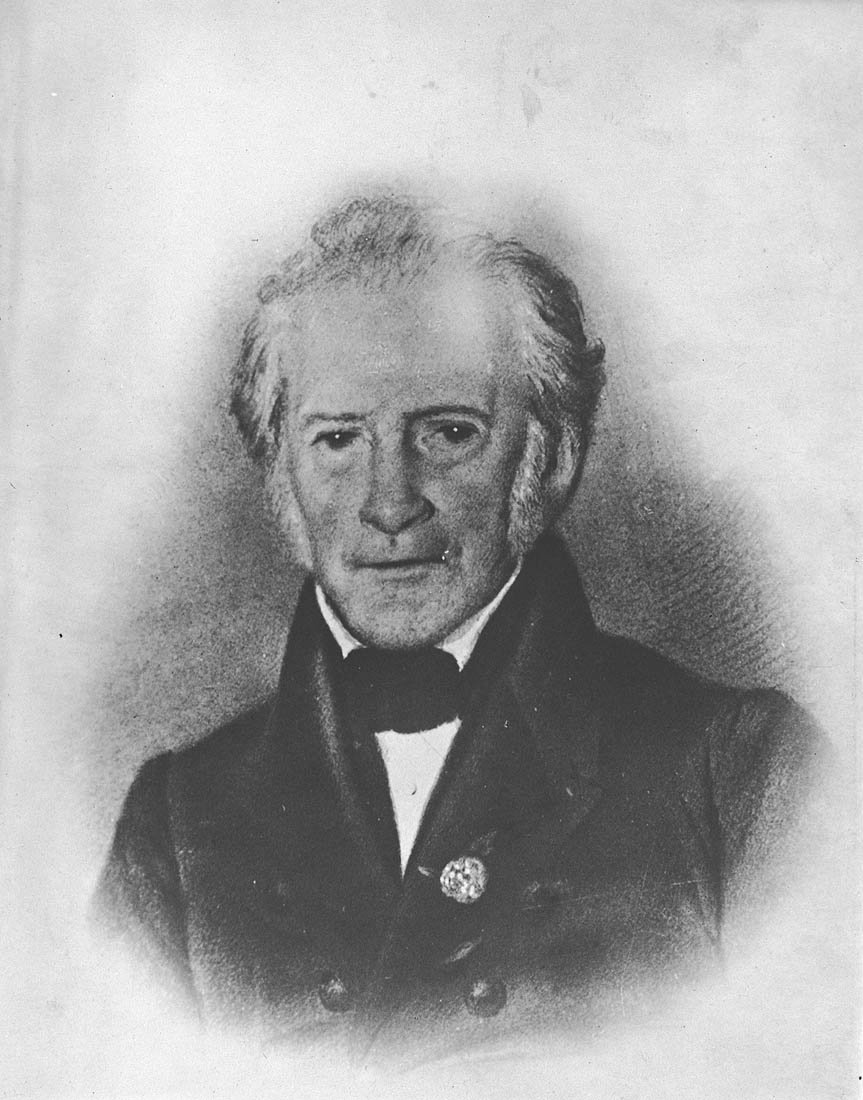
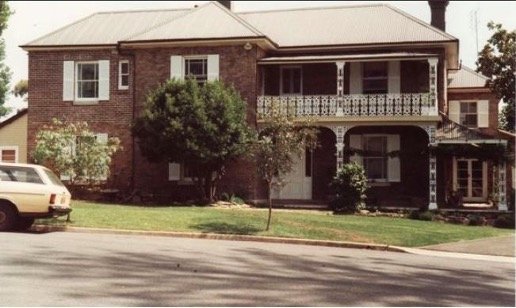
George Suttor was born on the 11th of June 1774 in Chelsea, London, the thid son of botanist and market gardener, William Suttor and Elizabeth Thomas. George attended school in Milman's Row with his sister, followed by several years at Leith's Academy, with the initial desire to persue acting. Suttor had met Sarah Maria Dobinson during their childhood, with Sarah introduced to Suttor as a close friend of his younger sister, Elizabeth. From a young age, Suttor had been aware of the new colony established in New South Wales and quickly became fixated on settling in Australia and cultivating the 'untouched' land. He was inspired by the writings of Captain James Cook and botanist, Sir Joseph Banks, fulfilling his father's desire for George and his brother to enter into Farming.
In 1798, Suttor was introduced to Sir Joseph Banks, who employed Suttor as a 'Botanical Collector' to assist him with transporting goods from England to the new colony in Australia. Suttor was given charge of a collection of plants to be brought directly to New South Wales in exchange for which he would be granted 200 acres of land upon his arrival.
Suttor married Sarah Dobinson in London in August 1798, prior to leaving for Australia. George and Sarah attempted the voyage to NSW multiple times in 1799, with the original ship, the 'Porpoise', caught off the English Coast, and the second voyage hindered by extreme weather in the Bay of Biscay. His first son, George Banks Suttor was born in 1799, and accompanied his parents aboard the Spanish corvette ship renamed 'Porpoise', which finally departed England in March of 1800. the 'Porpoise' spent nearly four months docked in the Cape of Good Hope from May of 1800, during which time the Suttors explored Cape Town.
Suttor arrived into Sydney Heads with his family on the 6th of November, 1800, describing his first impression of the harbour as 'primative and romantic'. Although many of the plants had not survived the journey, Suttor had been able to preserve a variety of apple trees, mulberry trees, willows, strawberries, walnuts, chestnuts, and various vines. He immediately began looking for land on which to settle, eventually moving into a small cottage on Church Street, Paramatta.
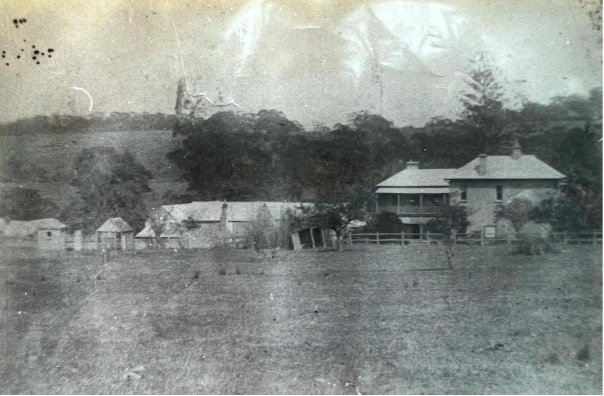
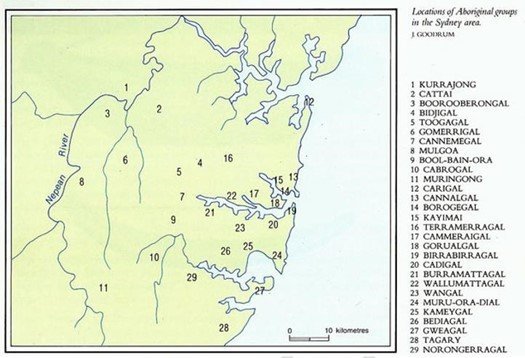
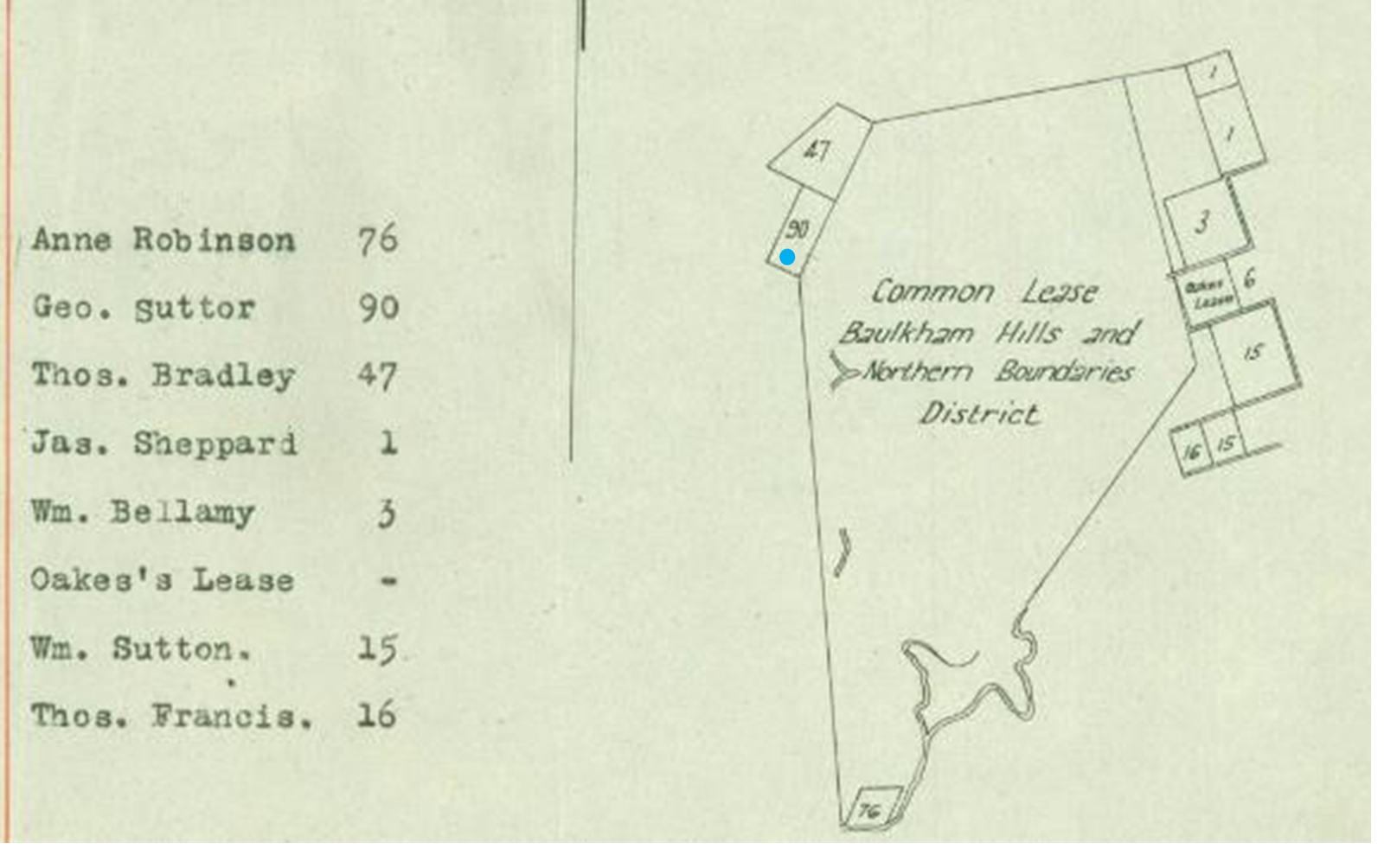
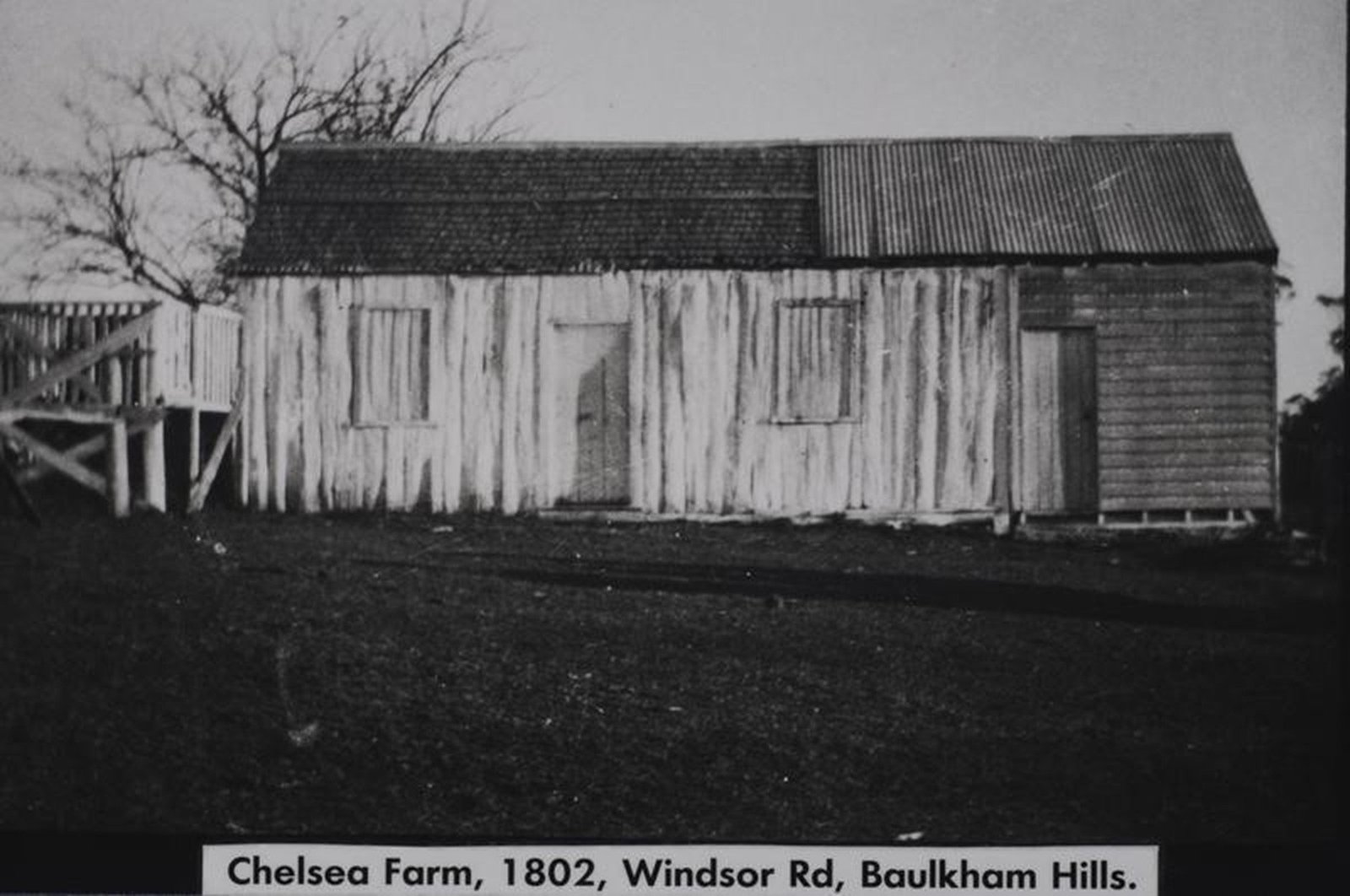
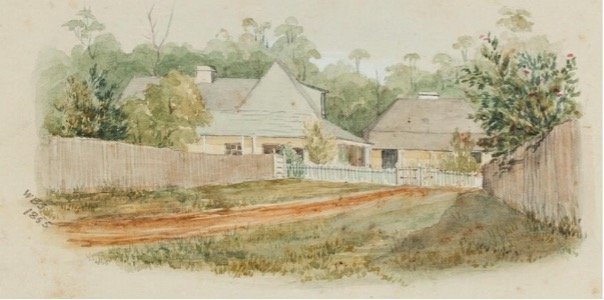
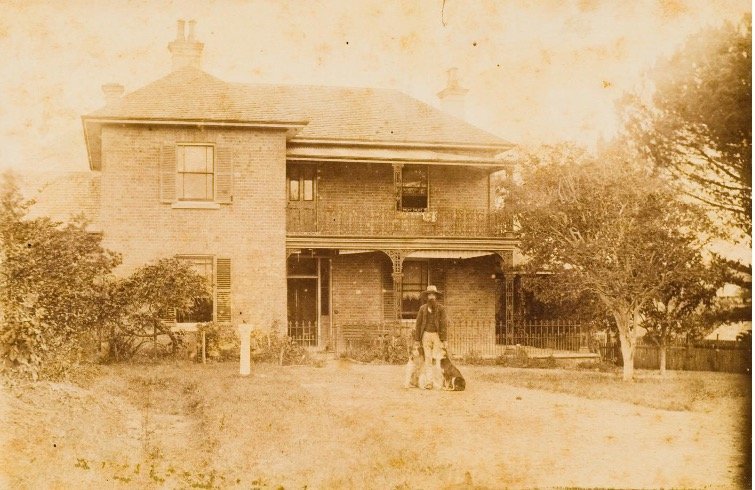
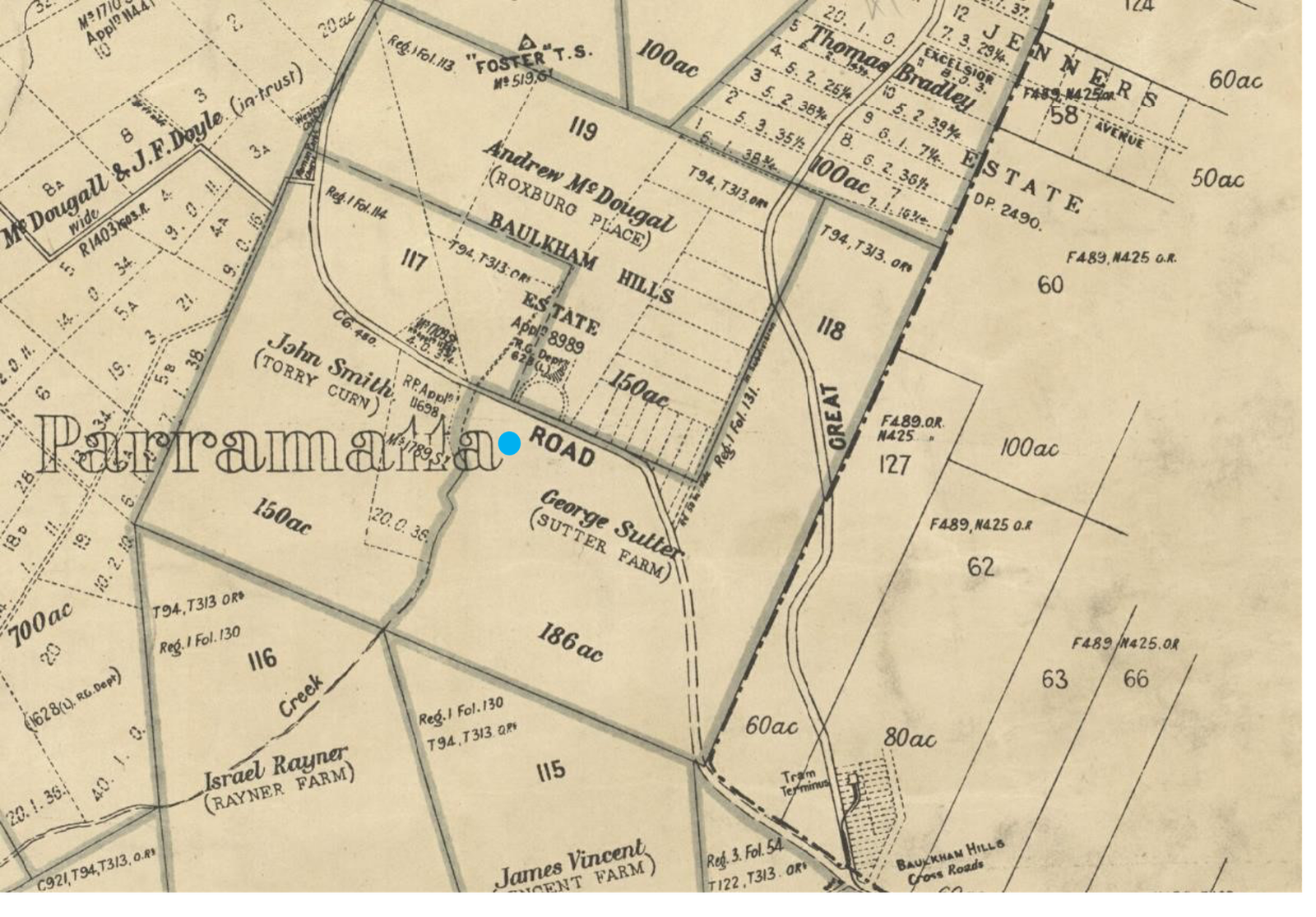
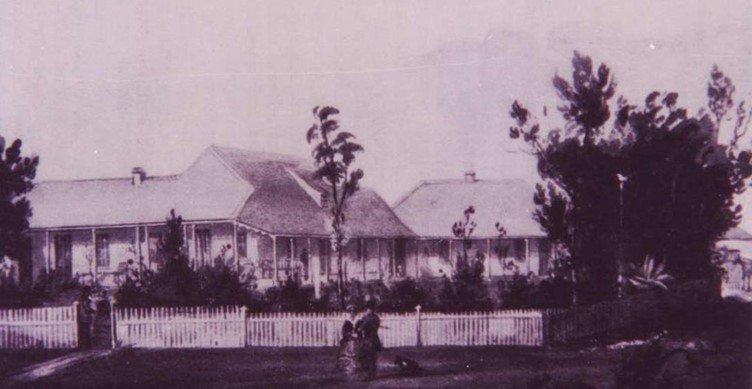
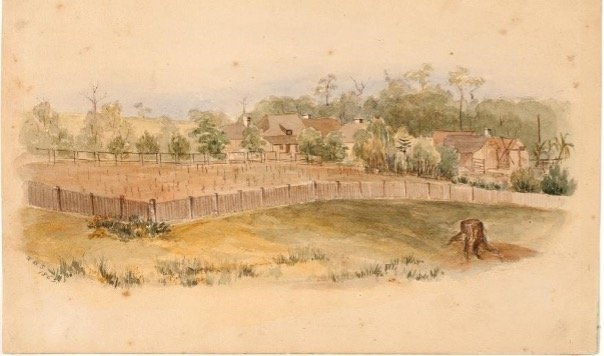
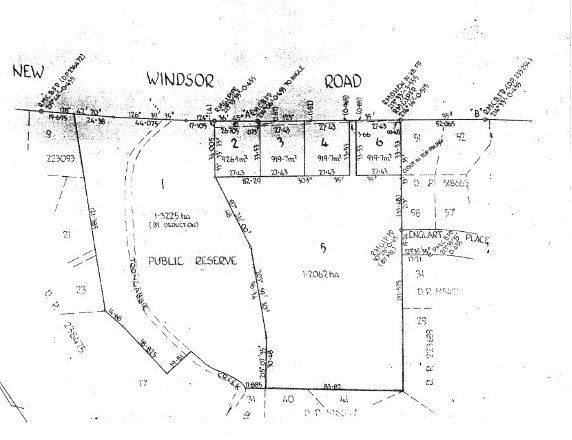
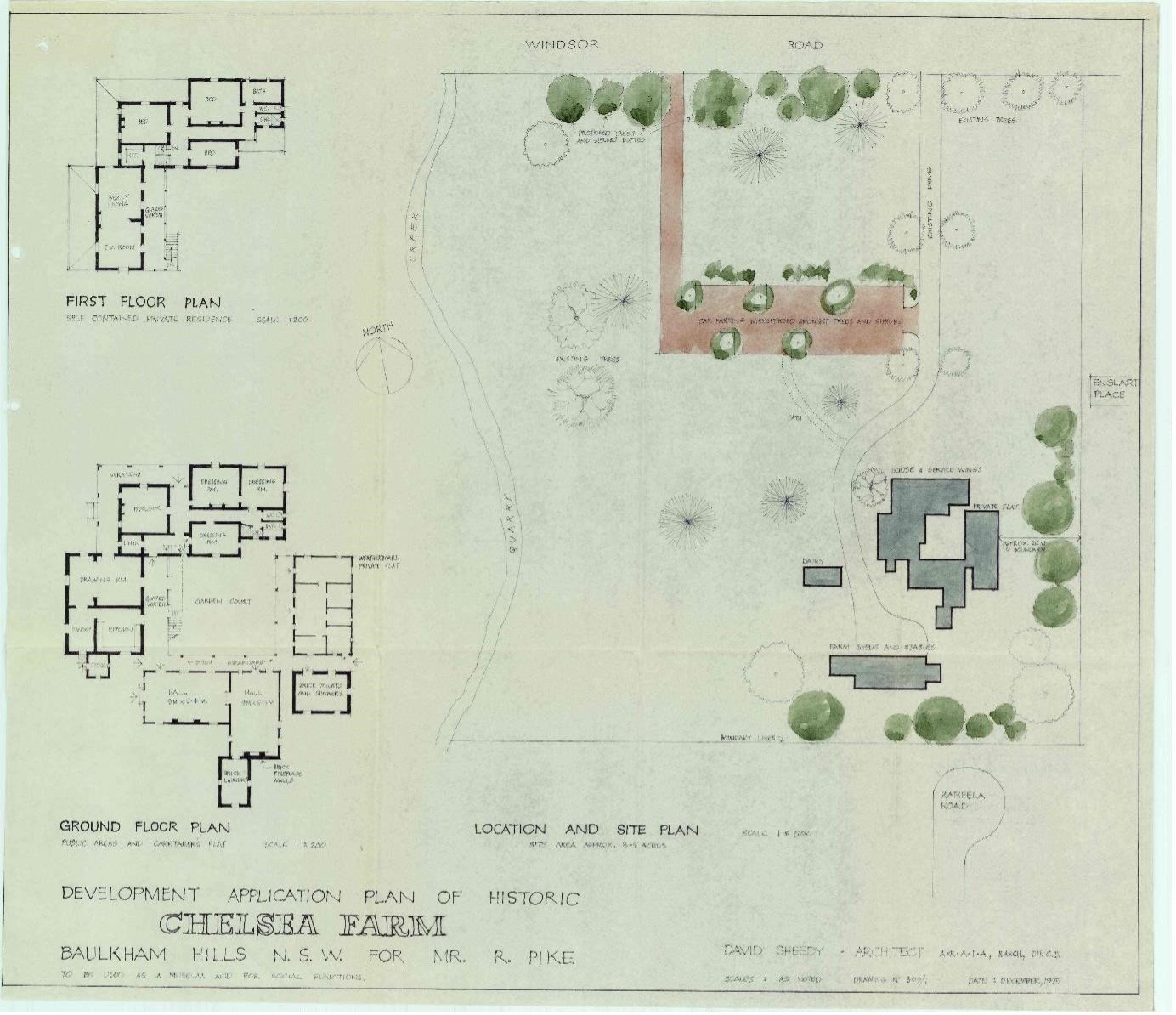
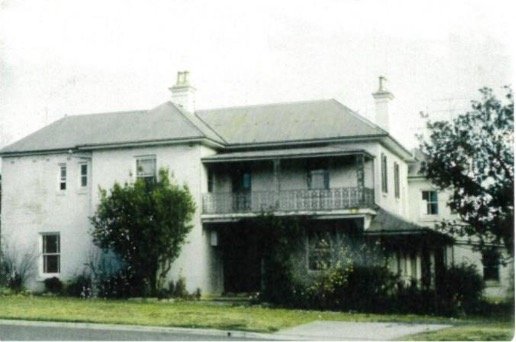
On the 31st of March of 1802, George Suttor was officially granted a parcel of land in Baulkham Hills, adjacent to settlers including John and Mary Smith, and Andrew and Elizabeth McDougall. A small house had been constructed for the Suttor family on the land, with several Convict labourers also assigned to work the farm as per the initial agreement with Joseph Banks. Suttor began clearing the land, sowing corn and planting orange trees that had been presented to him by Colonel Paterson, brought from San Salvador. The trees were the first of their kind to be planted in Baulkham Hills, and amongst some of the earliest successful trees in the new colony. George wrote to Joseph Banks in early 1802 to express the desperate state that the Colony was in, with a lack of food and high prices making it difficult for him to provide for his growing family at Chelsea Farm. The Suttors' cottage was robbed in 1804, with George held at gunpoint by convicts in the 'Vinegar Hill' uprising at Castle Hill, which resulted in "horror" and unrest for several days. William Henry Suttor, George and Sarah's third son, was born at Chelsea Farm in 1805, followed by their second daughter, Cordelia Sarah, in 1808.
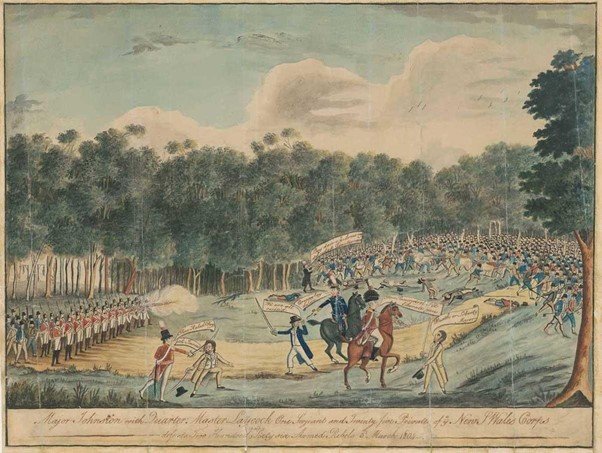
In January, 1808, Suttor followed as a group of troops, led by Colonel Johnston, attempted a coup on Governor Bligh, marching through Sydney to Government House. Suttor remained loyal to Bligh throughout the proceedings, which consequently made him a target for accusations of disloyalty to the new rebel Government, including accusations by two of his own convict servants at Chelsea Farm. Suttor refused the eventual summons from Colonel Foveaux and instead penned a threatening letter in response, for which he was seized and sentenced to imprisonment for six months at the gaol in George Street. Following the unrest, Suttor was summoned to England in 1810 as a supporting witness for Governor Bligh's case against Johnston. The trip lasted nearly two years, with George returning to Sydney via Rio De Janeiro in Mayof 1812 with a new set of valuable plants, including date, olive vines and palms. Upon his return from England, Chelsea Farm had flourished under the care of Sarah, who had purchased a young mare to accompany the existing livestock, with the orange trees having become "beautiful and full of fruit nearly ripe".
In 1814, George Suttor was appointed as super-intendent of the Lunatic Asylum at Castle Hill, which had been established by Governor Macquarie in 1811. Suttor was housed with his family in the weatherboard cottage on site for several years, however he was dismissed from the position in 1819 following various disagreements with doctors William Bland and Thomas Parmeter, amid accusations of neglect and exploitation of the asylum patients who were allegedly carrying out farm work on his own property at Chelsea Farm.
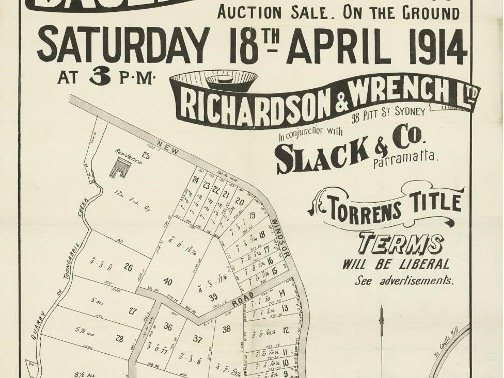
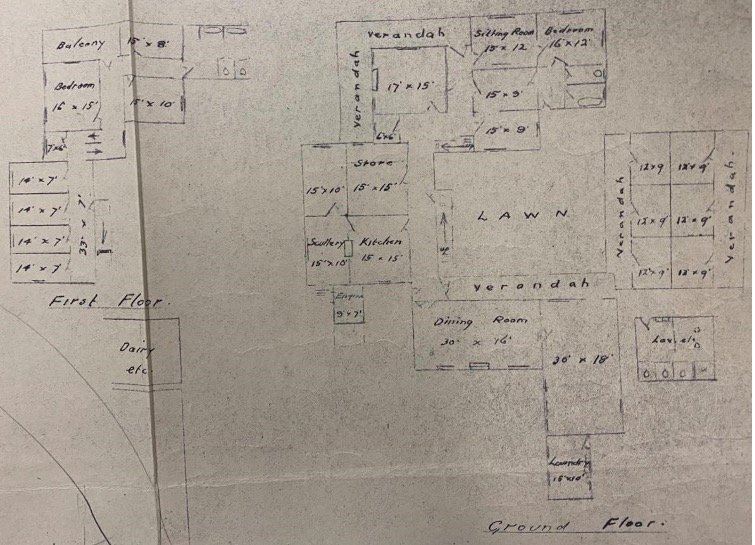
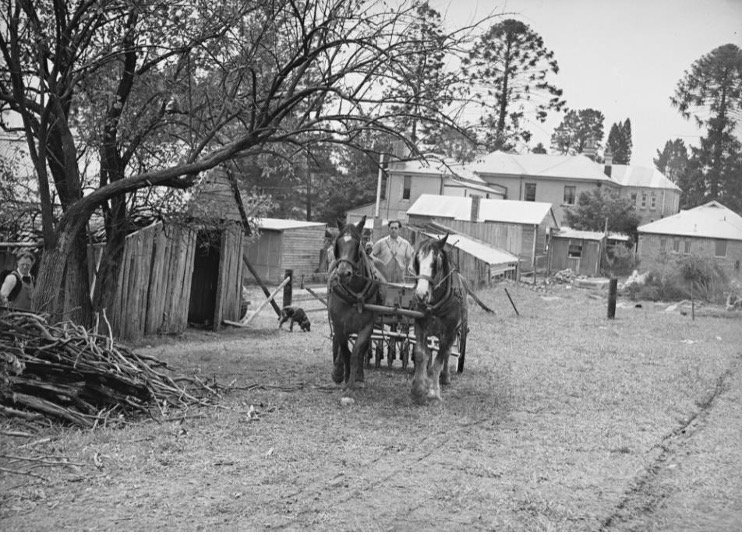
Following the devastating caterpillar plague of 1820 that impacted much of the land at Chelsea Farm and surrounds, Suttor began to look further afield, west of the Blue Mountains for additional land to cultivate, and was eventually granted a parcel of land in Bathurst Plains by Governor Thomas Brisbane in 1822, which he named 'Brucedale'. Suttor successfully farmed the land with hundreds of cattle and sheep, and he and his sons developed a good relationship with the local Wiradjuri population including Indigenous leader, Windradyne. By this time, two major roads had been cut through the land at Baulkham Hills, reducing the common land that the Suttors had once farmed on.28 George returned to Chelsea Farm in 1831 for a brief period to work on restoring the orangery, with the estate having been under the care of their eldest son George and his family. The next several years were spent living between the two properties, with George acquiring various plots of land and overseeing the construction of outbuildings across each of his sites, as well as building a house in Elizabeth Street, Sydney. George officially promised the estate at Brucedale to William following his marriage to Charlotte Francis in 1833.
George and Sarah made a trip to England aboard the ship 'Laura' in 1839, also visiting Ireland, Scotland and parts of mainland Europe. During their stay in France, George researched grape harvesting, which eventuated in the publishing of his book 'The Culture of the Grape Vine and the Orange in Australia and New Zealand' (1843). During their time in Europe, Sarah became ill and died in France in August 1844, buried at Rouen. George acquired additional land at 'Alloway Bank' in 1851 following his return to Bathurst, building his final homestead, where died at home on the 5th of May, 1859.